
22 September 2026
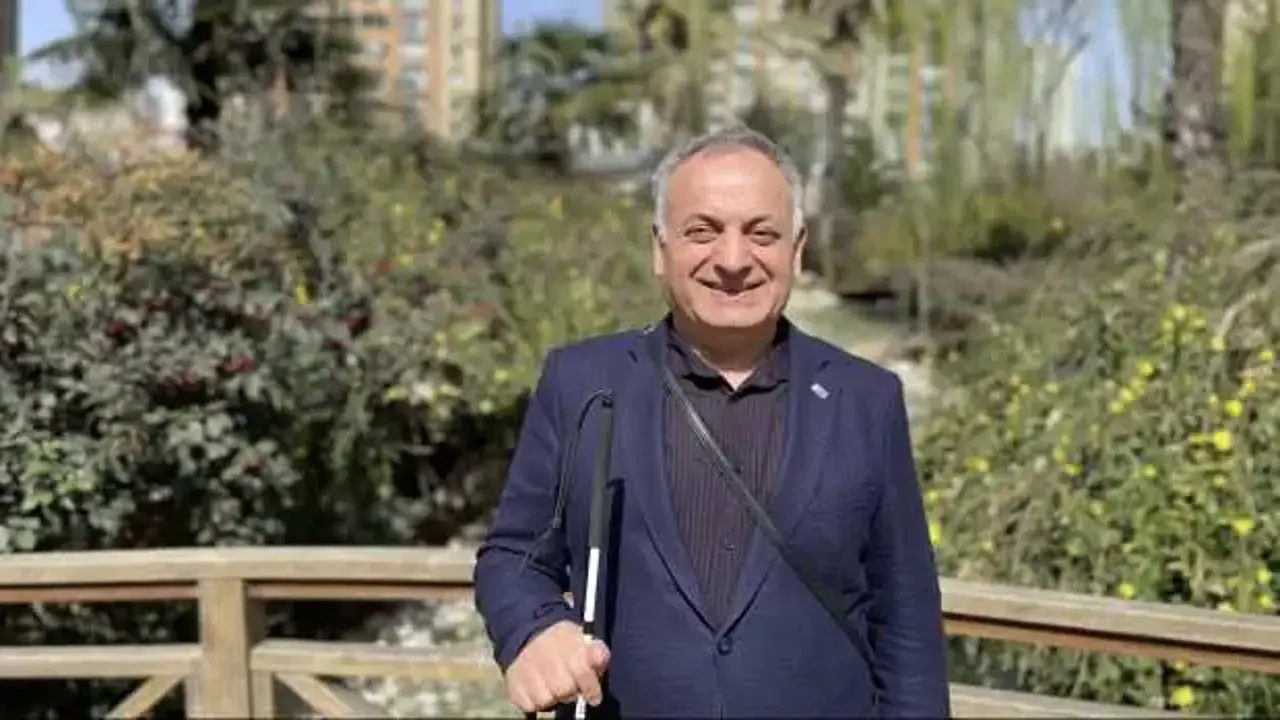
Lokman Ayva, President of the Beyazay Association, articulated the fundamental approach of Beyazay Clubs and the importance of recognizing differences with these words:
“Do you think you are understood?
Understanding and being understood is by no means easy. This is because you are different from me, from him, from her—in short, from everyone else on earth. Your body, your fingerprints, your mind, your emotions, and your consciousness are not exactly the same as anyone else’s. Moreover, your yesterday and your today may not be the same. You learn, experience, or do something new, and suddenly you are different from who you were yesterday.
Who is aware of this uniqueness?
The statement “Children love this” can actually indicate that a child is *not* being understood. Because no two children are alike. The same applies to the phrase “Turks love tea.” After all, I have worked with people who—despite being Turkish—upend this generalization every time they are offered tea by saying, “I don’t drink tea.” “People with disabilities cannot receive an education, cannot work, cannot start a family, and cannot participate in society.” ...as it turns out, even those who say this are unaware of people with disabilities.
What are the things that fail to take us into account?
Objects designed for right-handed people fail to acknowledge the existence of left-handers. For some reason, meat dishes ignore non-meat eaters; desserts ignore those who cannot consume sugar; high shelves ignore short people; and standard beds ignore tall people. Just as stairs fail to account for wheelchair users, ink-printed books for the blind, audio announcements for the deaf, and countless objects or structures for those with diverse needs.
So, how many people around you do you think you truly understand? How many of them acknowledge that you understand them? And are both parties aware of this?
We rarely encounter behaviors like trying to understand one another or striving to be understood correctly. Yet, aren't we meant to be recognized as our true selves—with all our unique differences—throughout our lives? That is precisely why Beyazay Clubs exist: to recognize each other's differences, to act in ways that respect those differences, and to be of service to one another.
How will we do this?
We will converse. We will organize activities. We will read books, watch movies, and put on plays together—and then discuss them. Perhaps a female friend might disapprove of a character's actions in a book. A friend who loves food might become curious about the dishes mentioned in the story. A blind friend might read the book in Braille or on a computer. A friend with a gift for storytelling might vividly describe the characters and events to a friend with autism. Ultimately, we will become aware of one another and also realize what it is that fails to take us into account. Wishing everyone wonderful moments of awareness. Ayva’s statements reveal that the Beyazay Clubs aim to operate based on a philosophy that centers not merely on acknowledging differences, but on mutual understanding, recognizing diverse needs, and acting together. Through these clubs, the goal is for children and young people to learn and share together, and to discover each other's differences.